
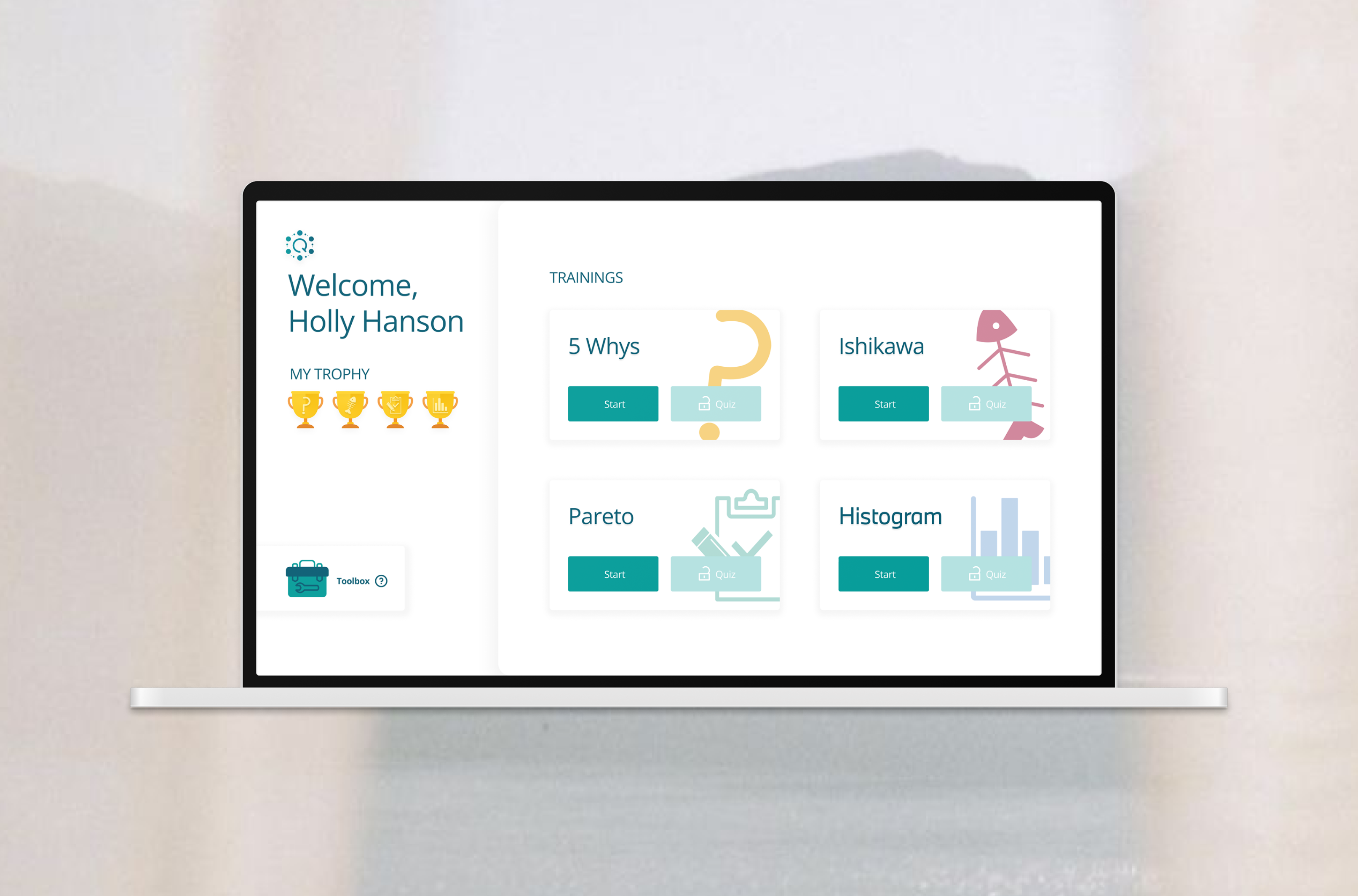
In use at BMW | Q Methods App
How Do You Make Quality Training Easier to Learn at Scale?
Redesigning a multilingual training app to make quality learning more consistent, engaging, and user-friendly
Role
UX/UI Designer & Visual Identity Designer
(Collaborate with 4 engineers)
Time Frame
4 months (alongside other projects)
Apr - Jul 2025
Tools
Figma, MS Power Apps & Photoshop
Client
BMW Quality Management Department (Germany, UK, US)
Currently published for desktop version /
Mobile version coming soon
Overview
Redesigning Quality Methods Easier to Learn
Project Background
Canetainers is a sugarcane-based takeaway packaging brand and mobile app that supports a circular recycling system. By linking sustainable packaging with a digital experience, the project encourages better recycling habits in everyday life.
The Challenge
Canetainers is a sugarcane-based takeaway packaging brand and mobile app that supports a circular recycling system. By linking sustainable packaging with a digital experience, the project encourages better recycling habits in everyday life.
The Approach
Canetainers is a sugarcane-based takeaway packaging brand and mobile app that supports a circular recycling system. By linking sustainable packaging with a digital experience, the project encourages better recycling habits in everyday life.
Design Direction
Canetainers is a sugarcane-based takeaway packaging brand and mobile app that supports a circular recycling system. By linking sustainable packaging with a digital experience, the project encourages better recycling habits in everyday life.
Challenges & Design Focus
Bringing Clarity and Consistency to Complex Content
01 Simplify Logo and Build a Design System
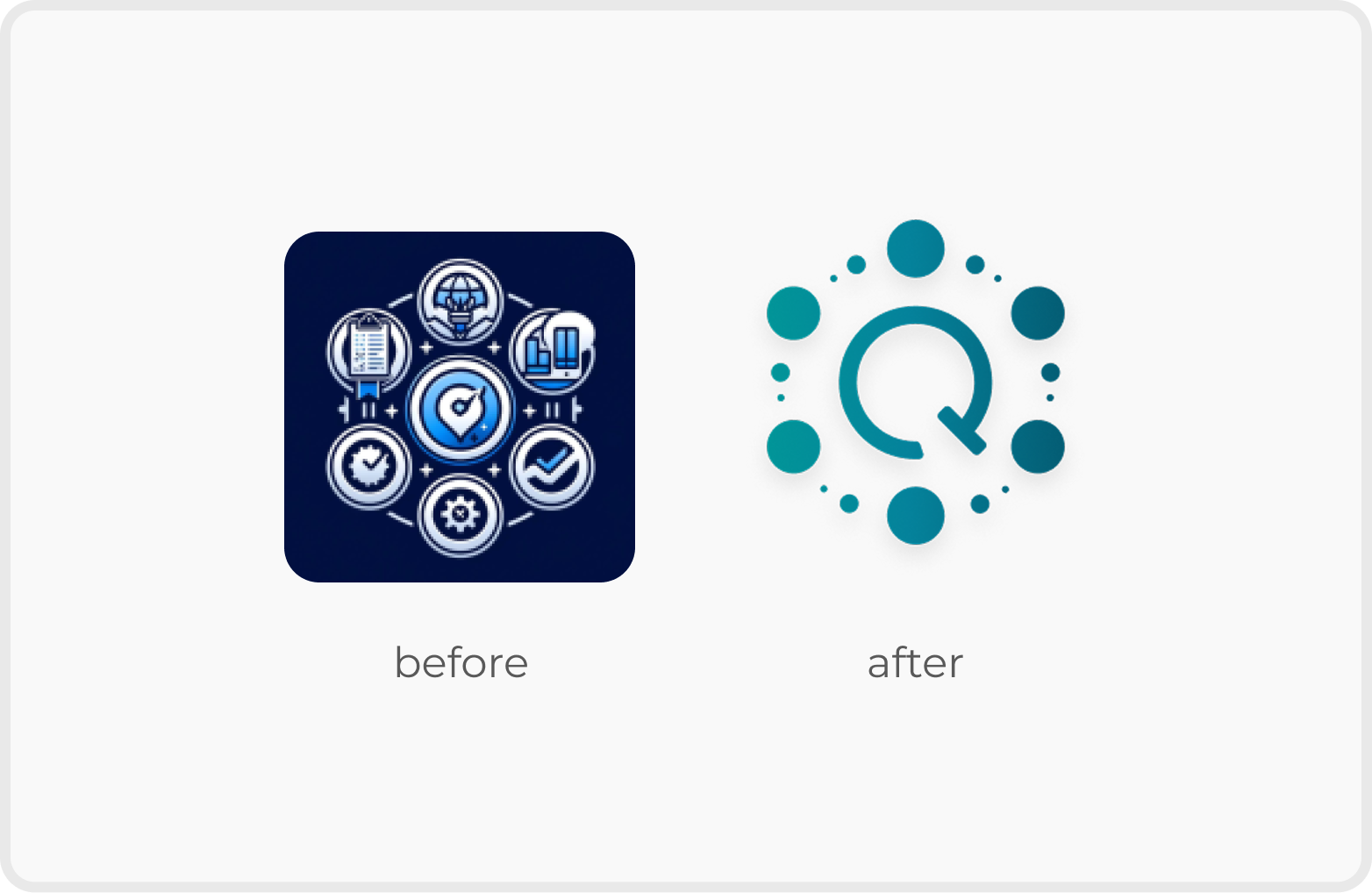
Logo Design
I retained the original shape and incorporated the letter ‘Q’ to represent the project’s identity, creating a simple and modern logo for the Q Methods App.


Logo Design
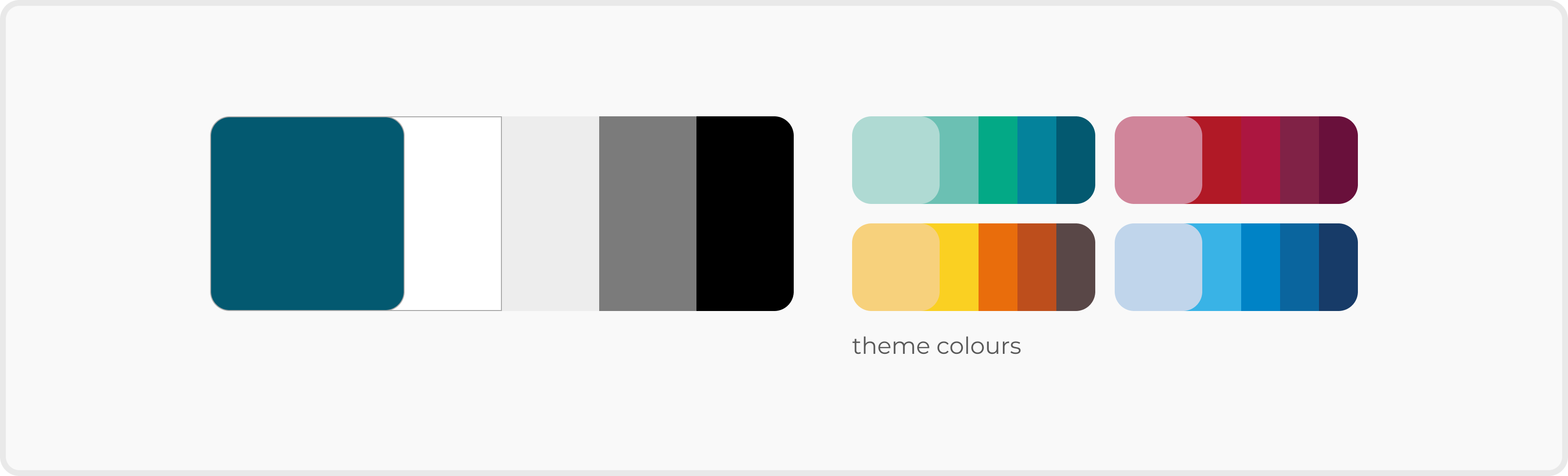
Colour System
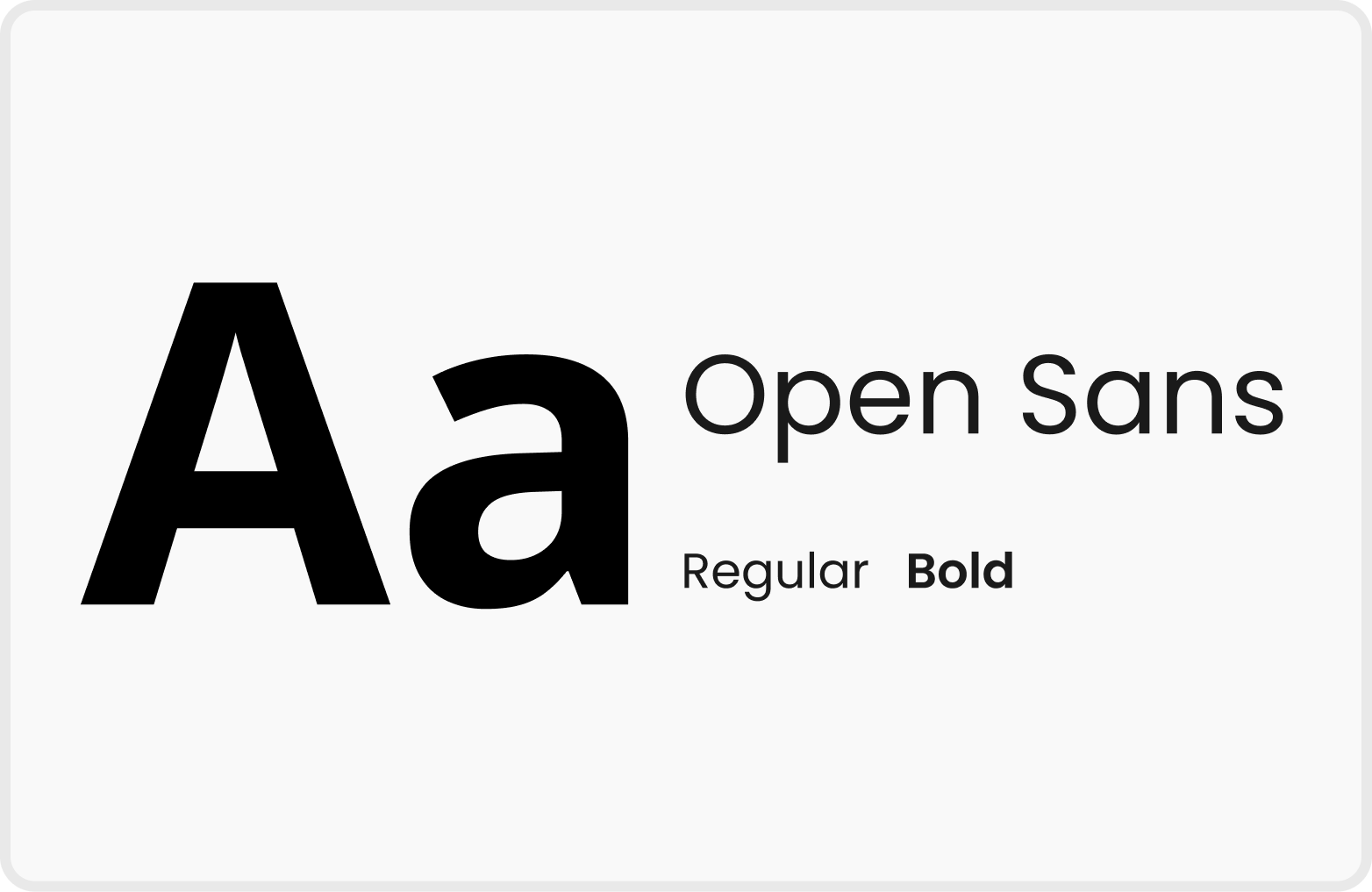
Font
02 Standardise Layout, Typography and Icons
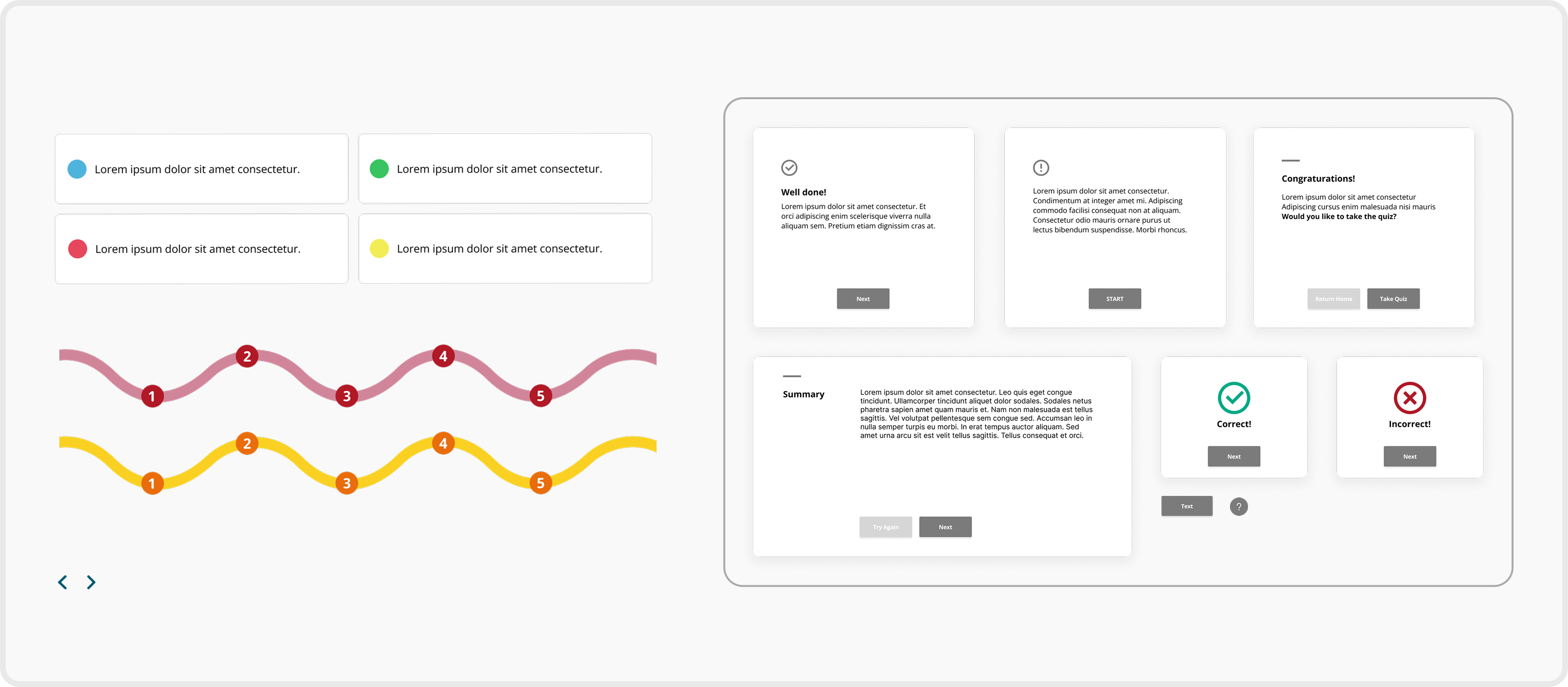
Components

Icons

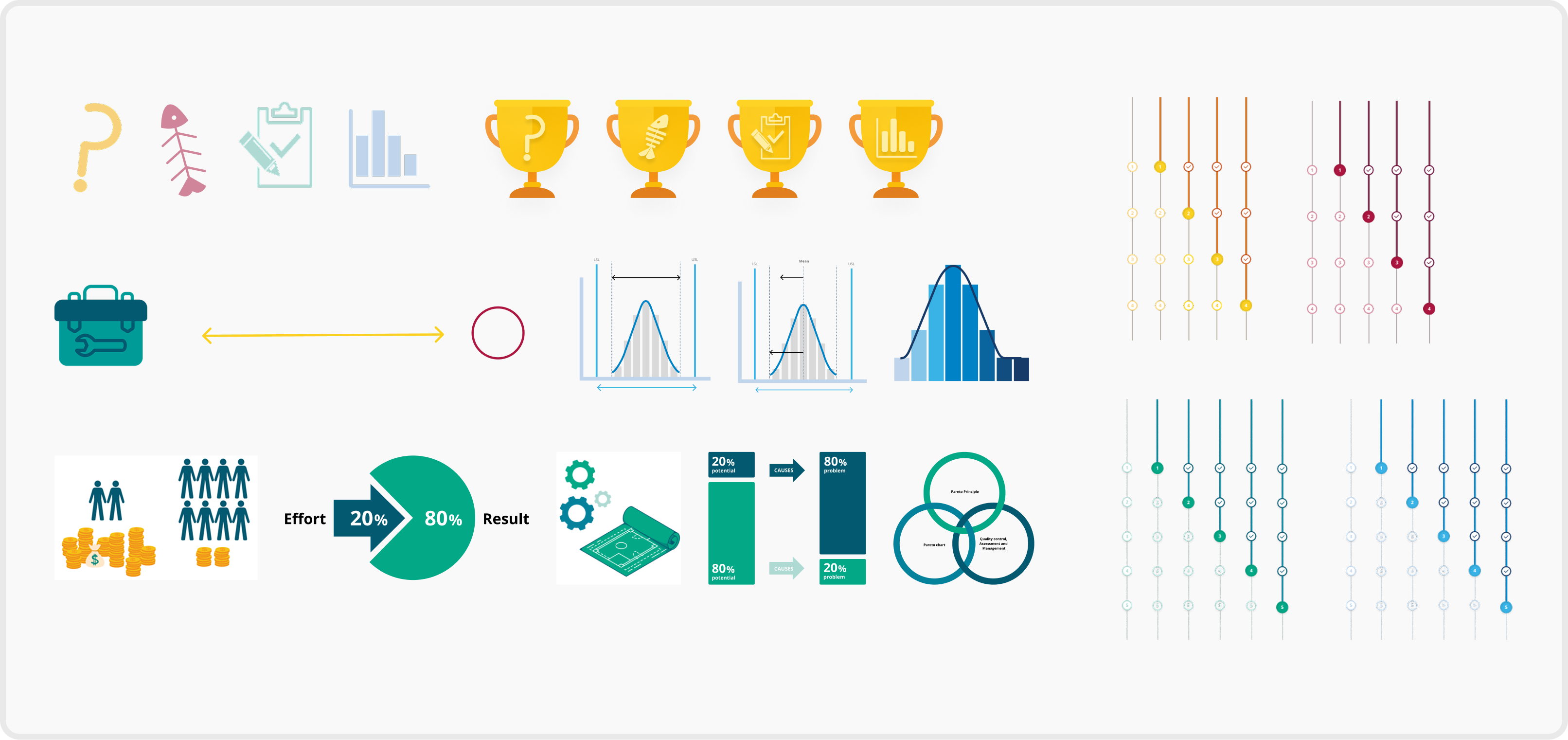
Illustrations & Infographics
03 Improve through Visual Hierarchy
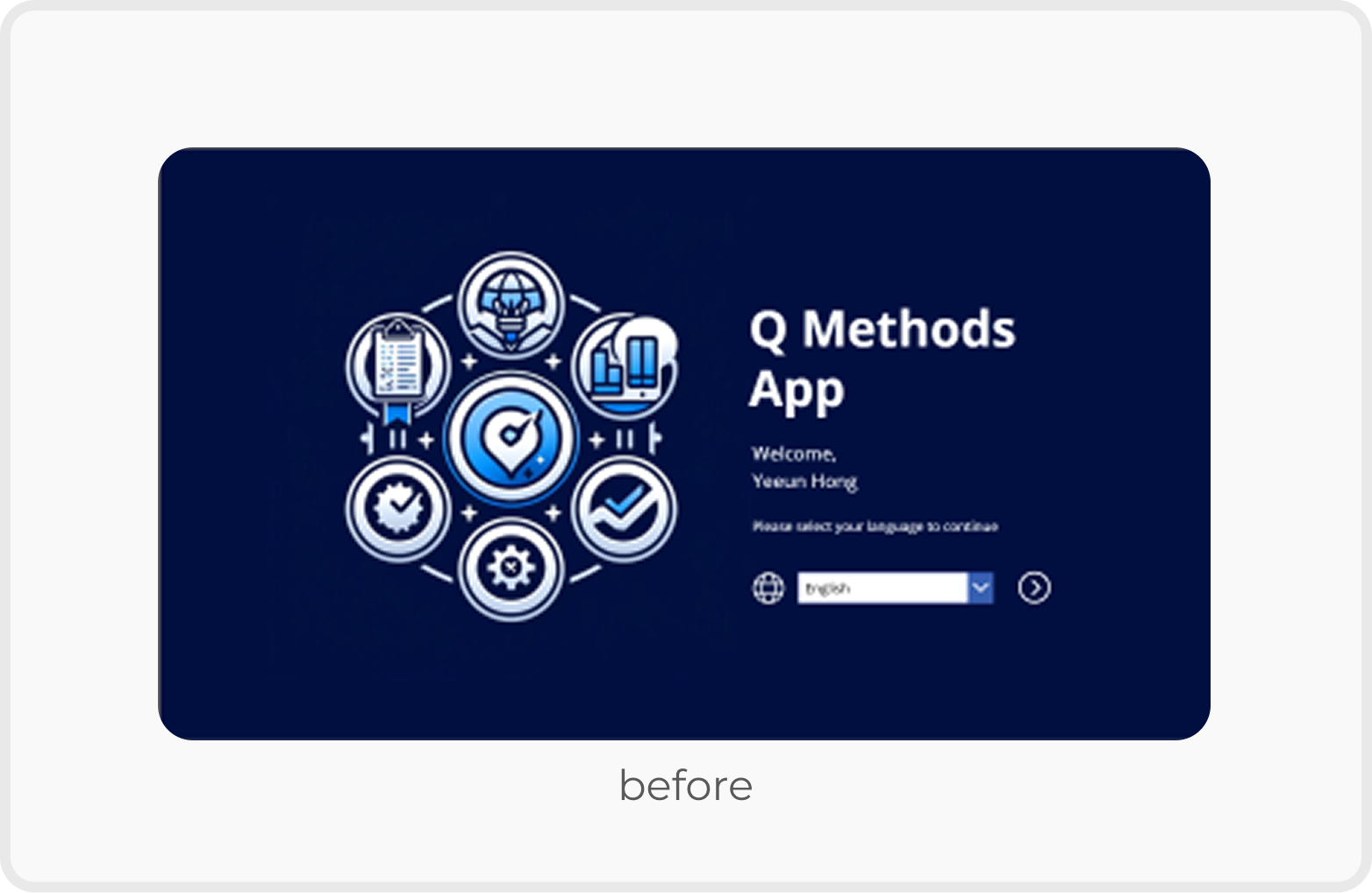
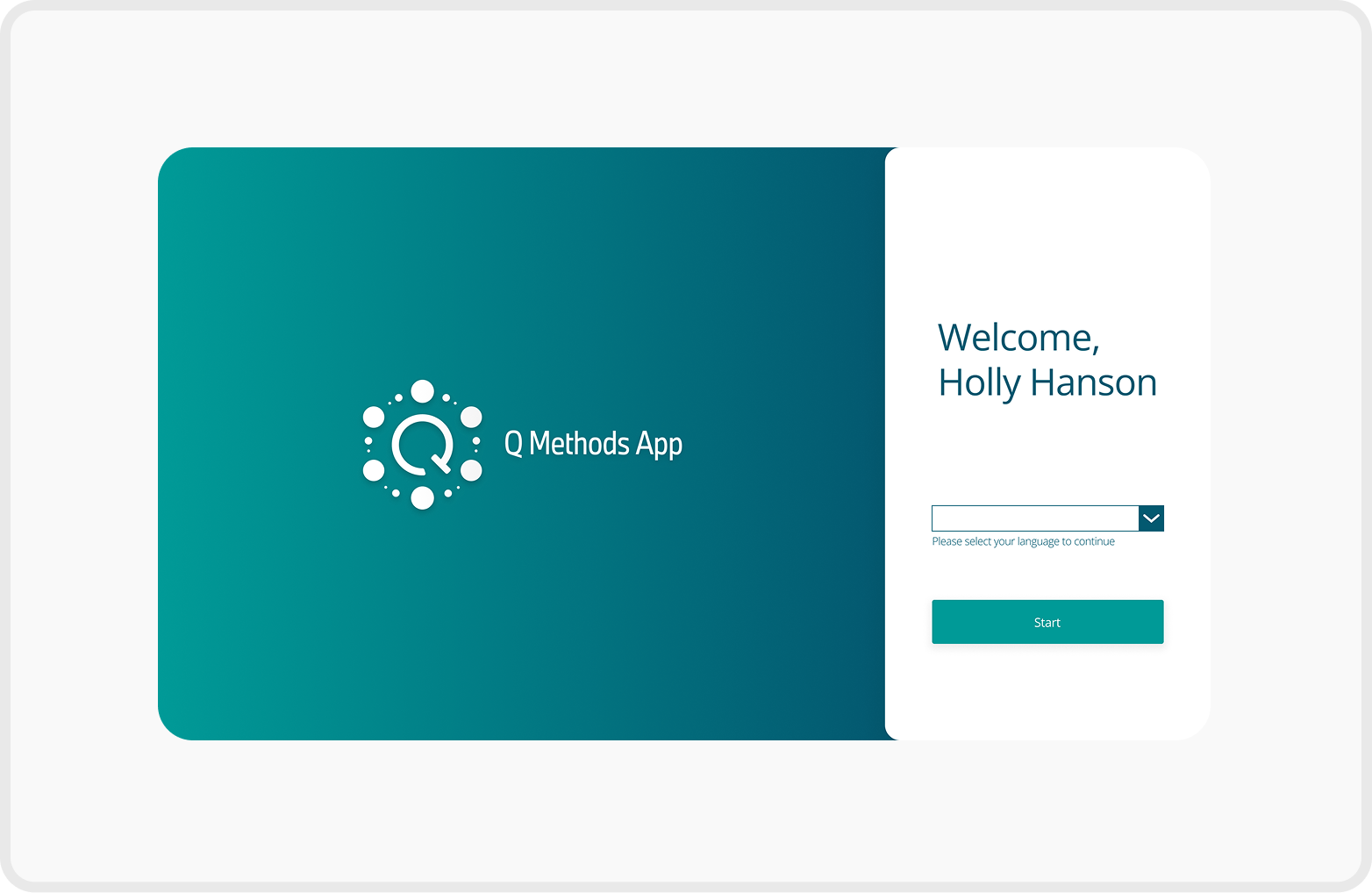
Balanced Visual Hierarchy
The mobile app shows where and how to recycle Canetainers to ensure the consumers have the knowledge and will be more likely to commit.
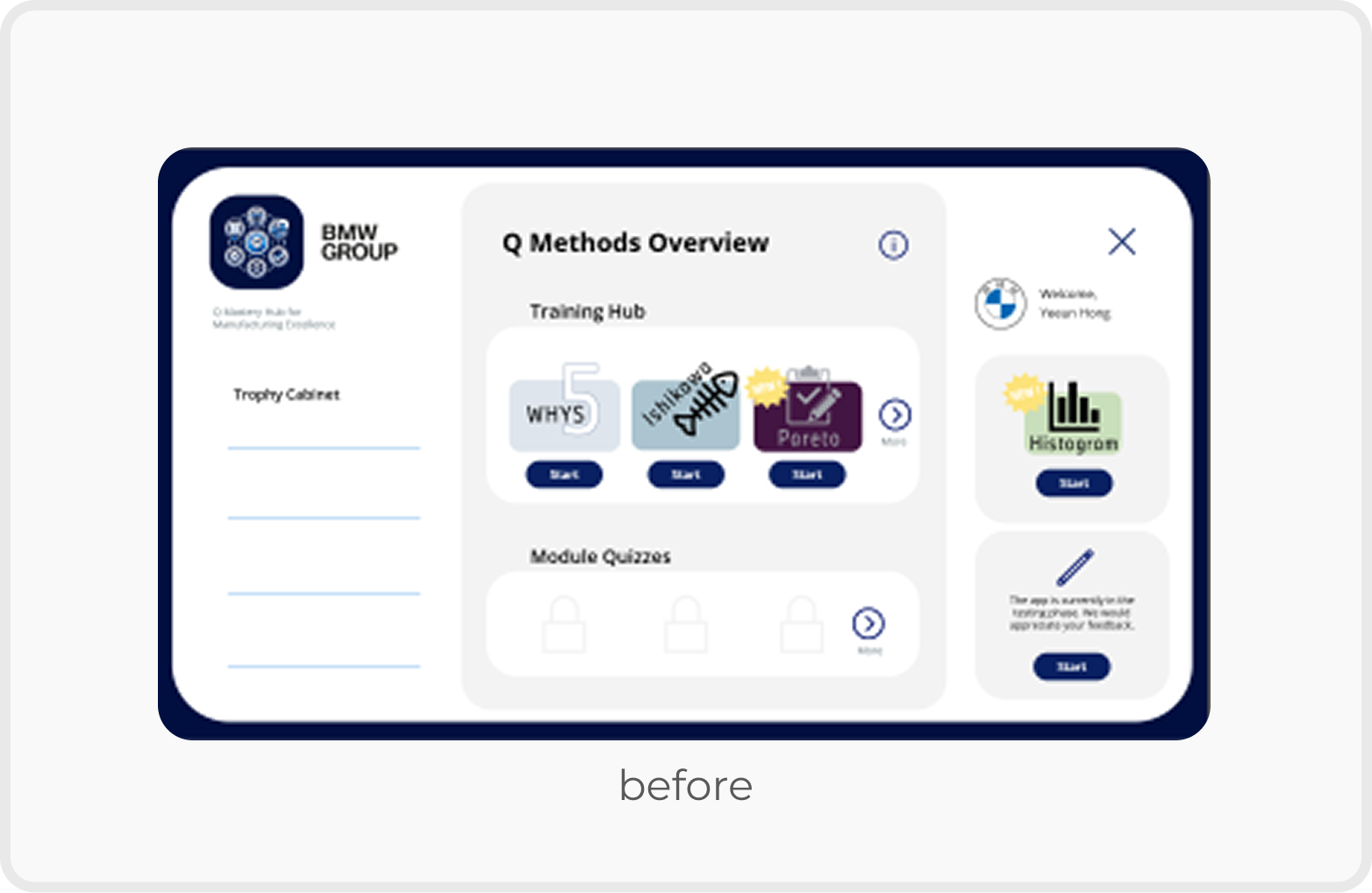
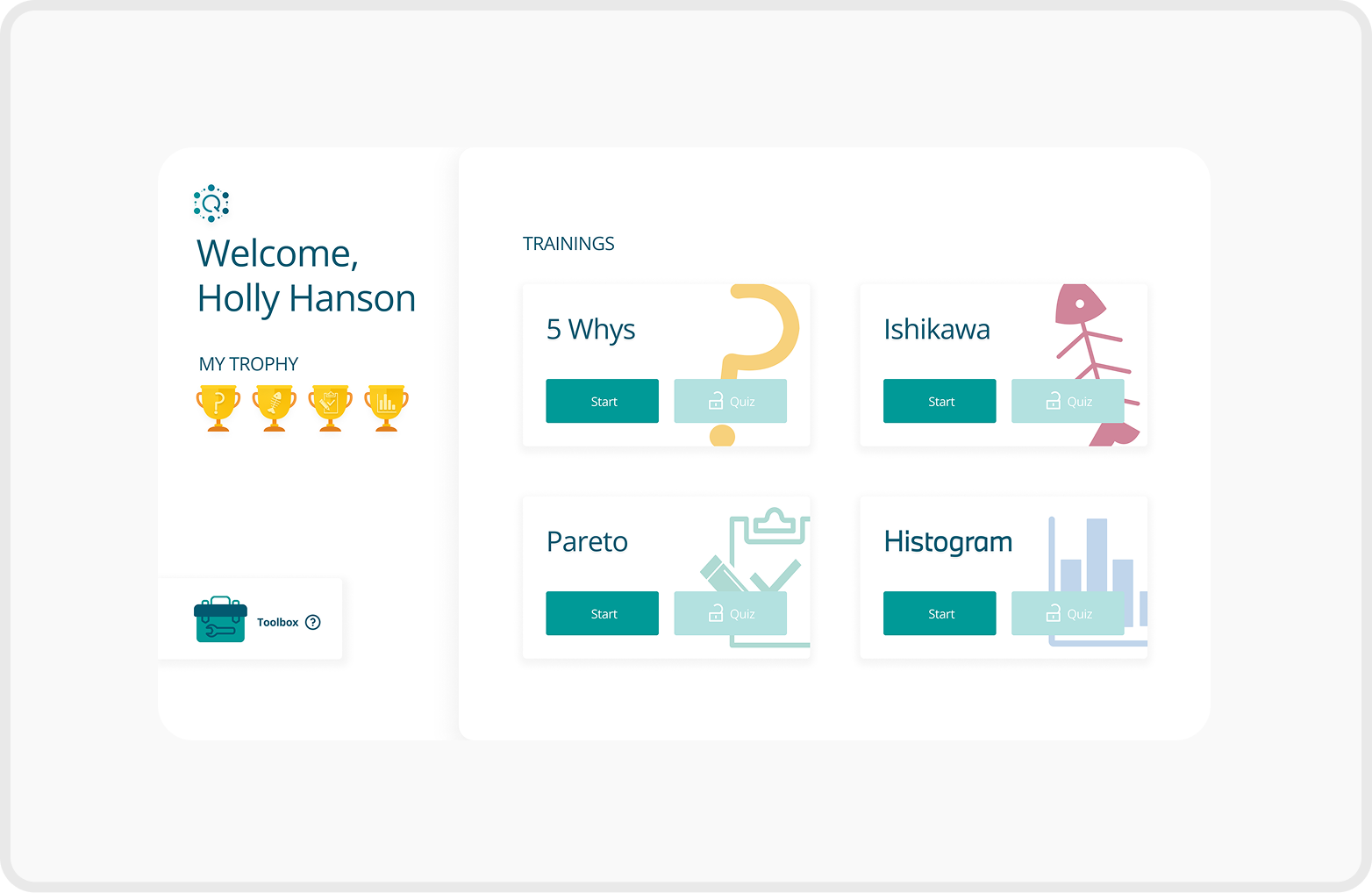
Clear Seperation for Better Focus
- Improved user focus by clearly separating the profile section from the training list
- Added unique icons to each training to help users quickly identify and differentiate content
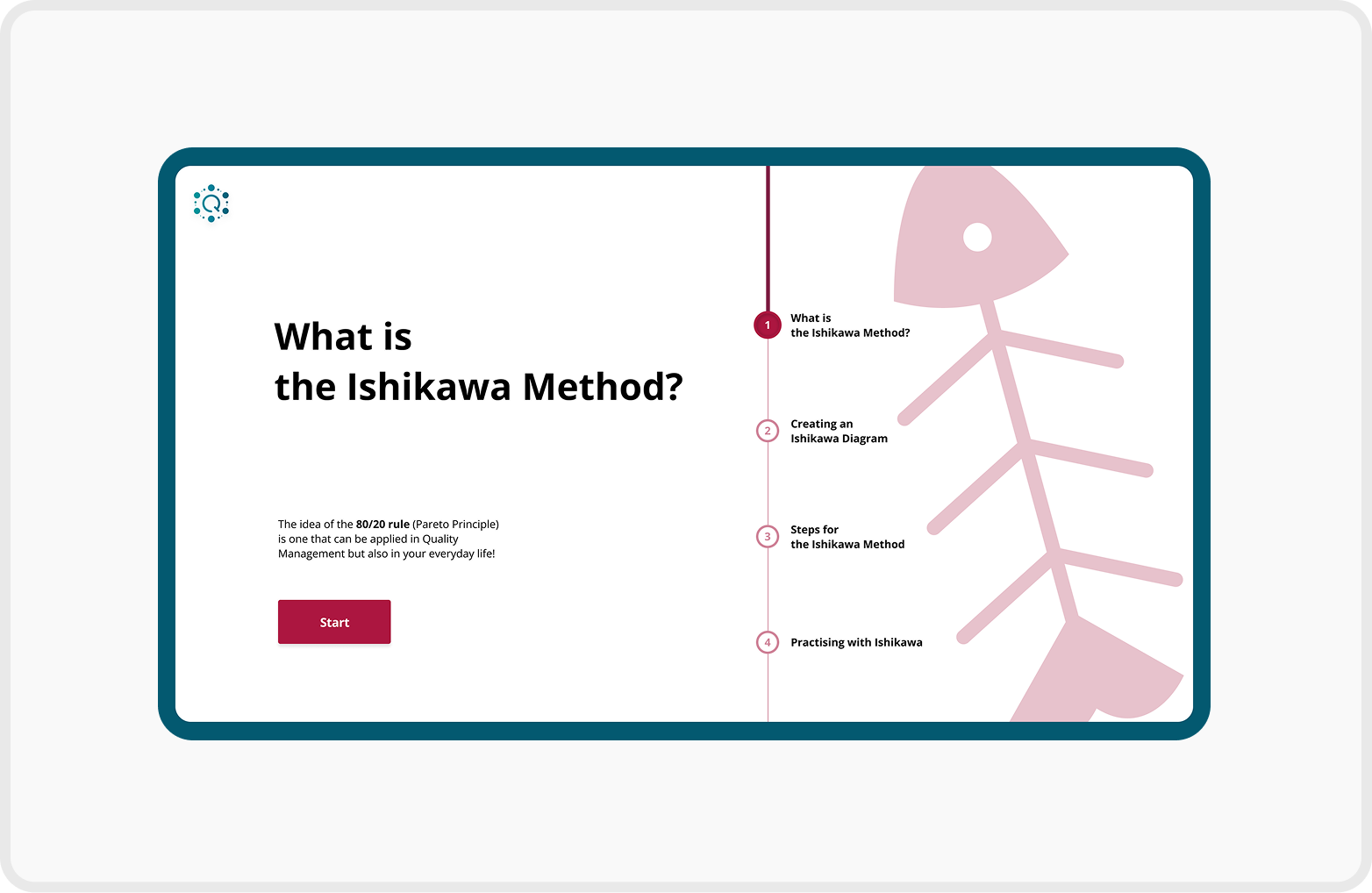
Structured Navigation with Progress Feedback
- Introduced chapter overview pages for better context and smoother navigation
- Added a progress bar to each chapter page to visually communicate learning progress
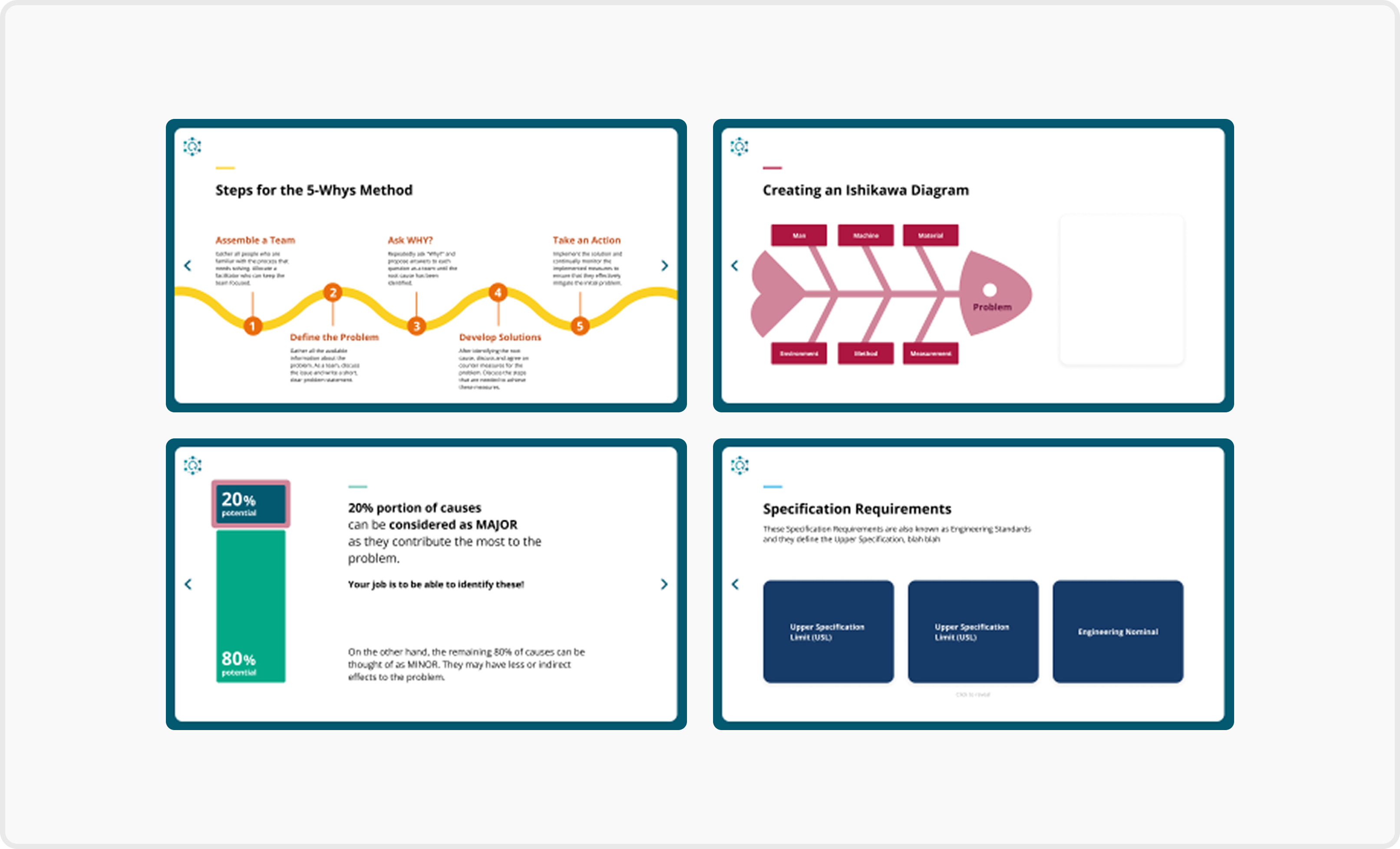
Visually Guided Contents Page
- Added color-changing icons next to each training title to indicate the current selection
- Used the brand’s green background to reinforce identity
- Applied accent colours to distinguish each training and improve visual consistency
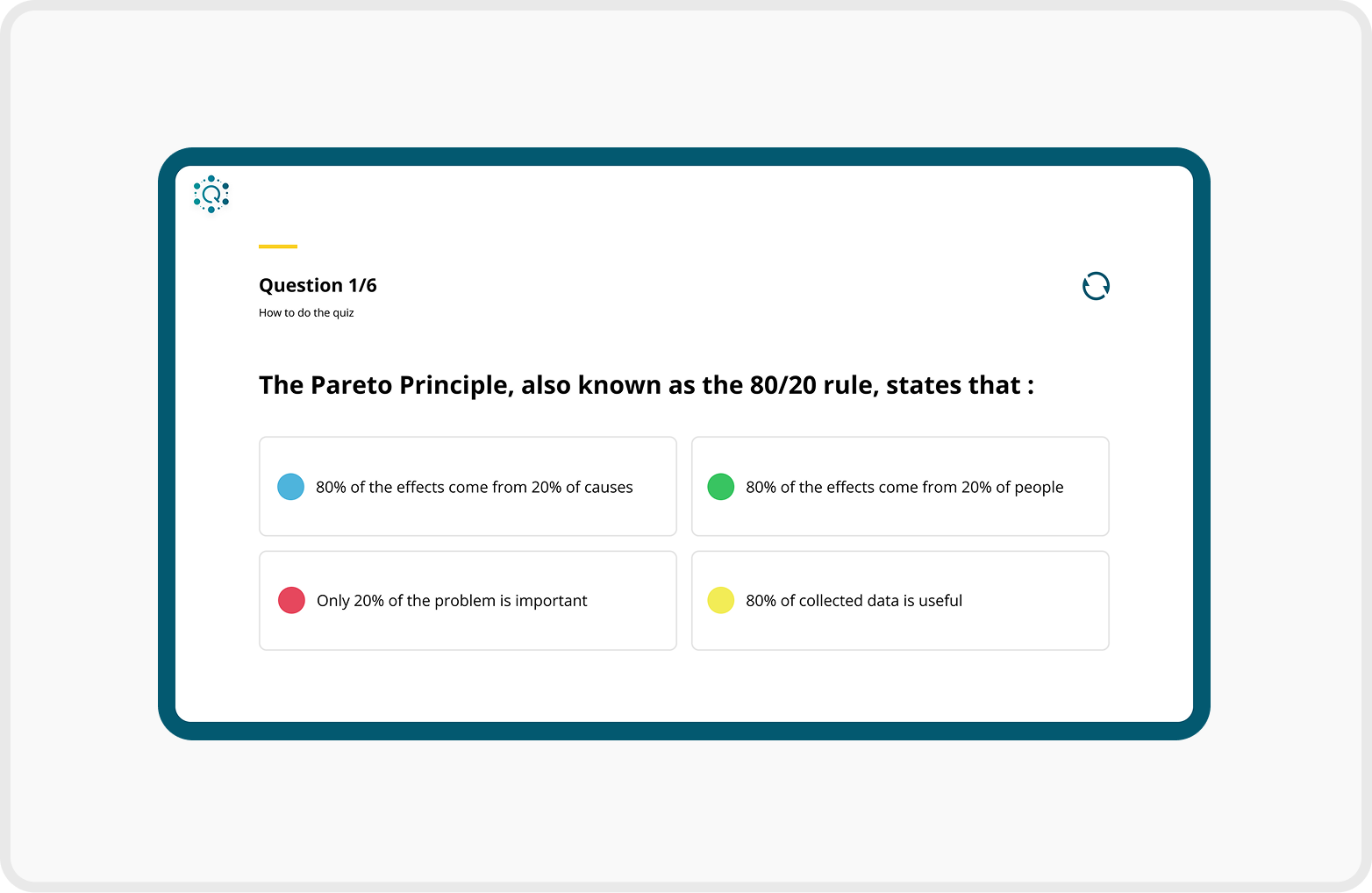
Clear and Interactive Quiz Layout
- Included progression text (e.g. "Question 2/5") to inform users of their current position in the quiz
- Applied different colours to each multiple-choice option to enhance visual separation and reduce cognitive load
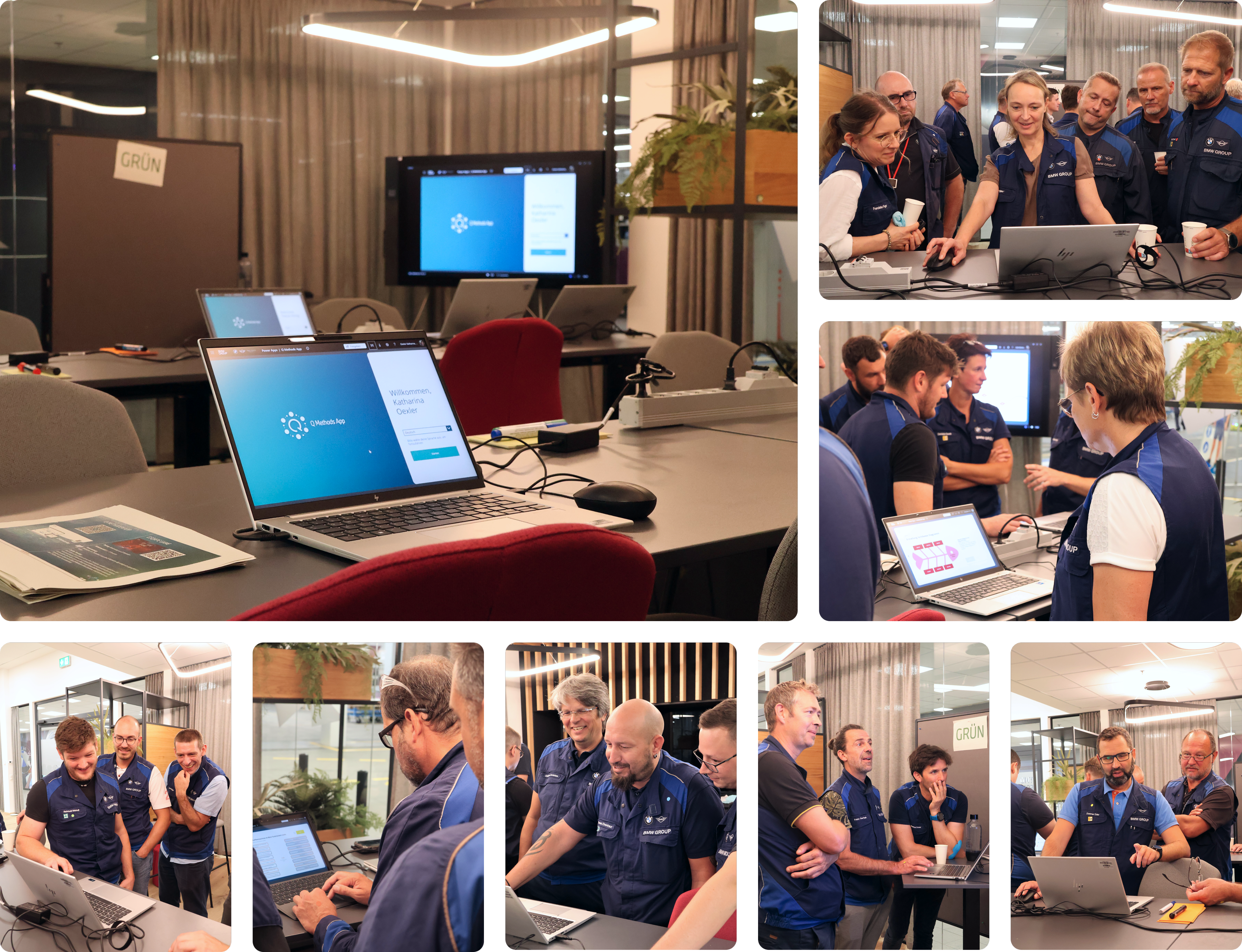
Q Forum Launch & Internal User Testing
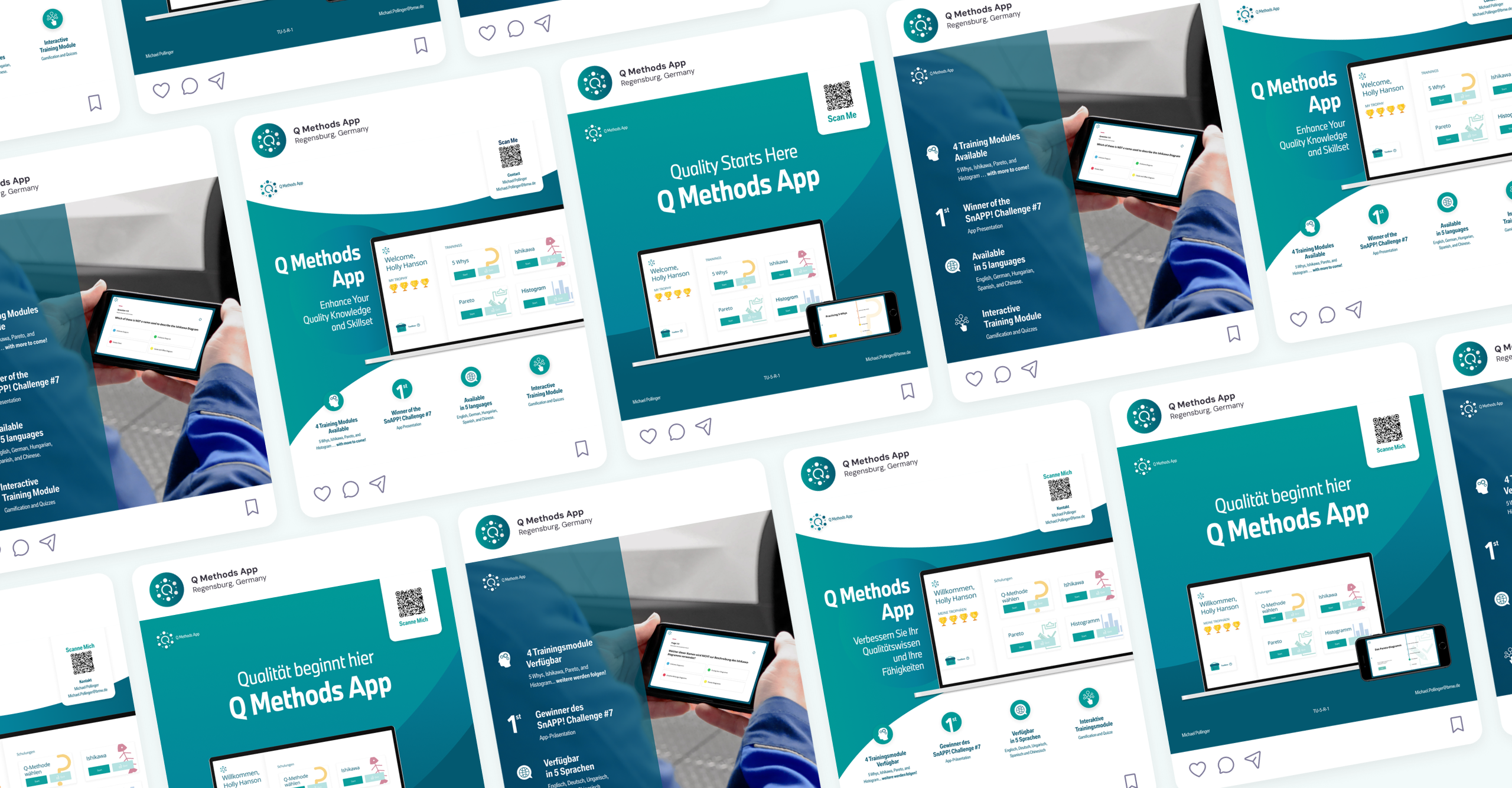
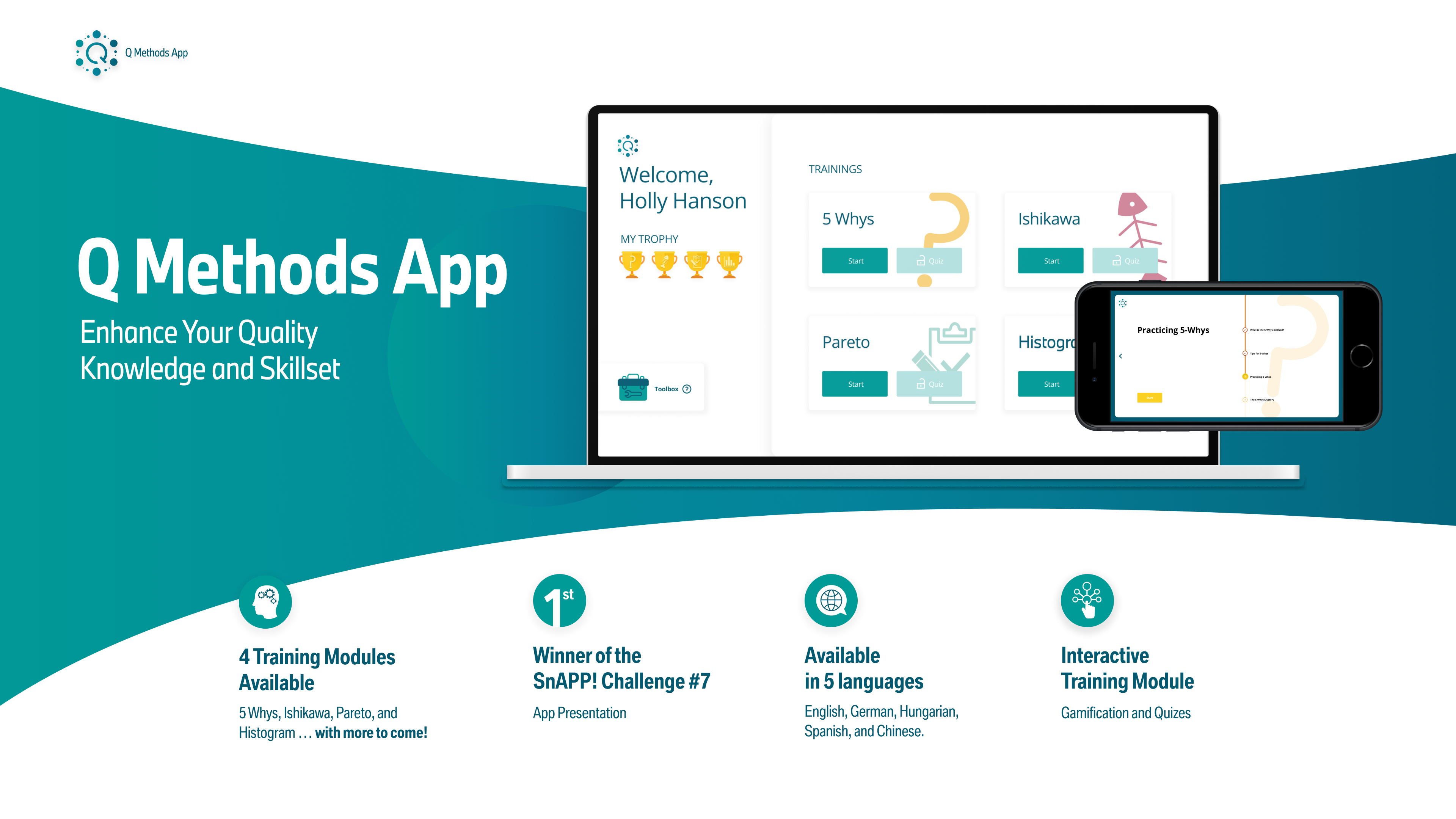
Promotional Posters
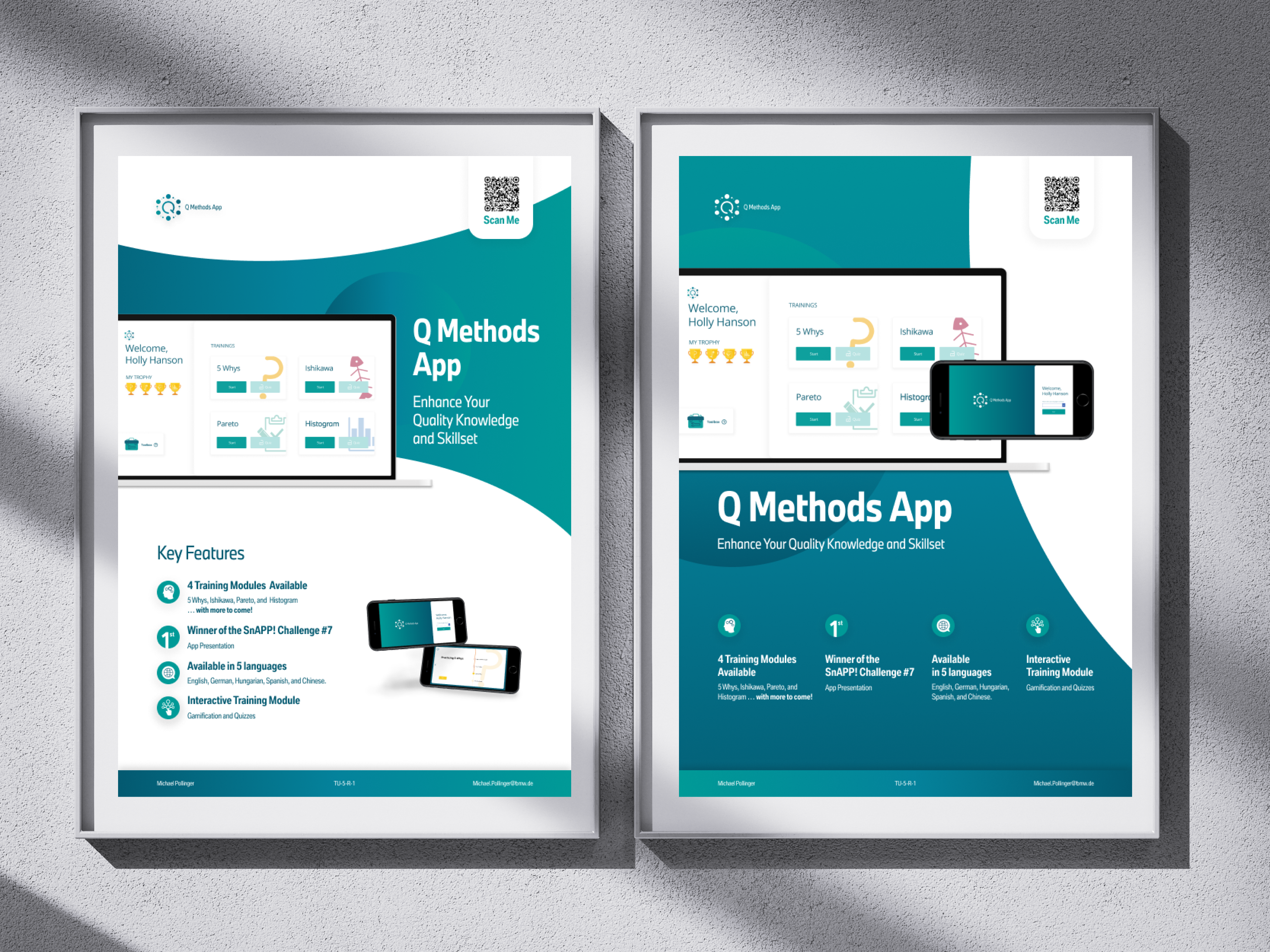
Originally created in both English and German.
Reflection
Challenges & How I overcame them
Balancing Consistency and Distinction Across Modules
Challenges
- Maintaining consistency across a large number of screens
- Similar content across modules required clear differentiation
Solution
- Unified shared page structures
- Applied distinct accent colours to support module recognition
What I would do differently
Aligning Design Decisions Earlier with Technical Constraints
- PowerApps scaled text and components differently than Figma
- I would align designs with PowerApps behaviour earlier
- Earlier collaboration with engineers would support a smoother handoff.
What I learned
Aligning Design Decisions Earlier with Technical Constraints
- Designing requires understanding the development environment
- UI/UX is not only visual. Technical constraints matter
- Close collaboration with developers leads to realistic, buildable designs
© 2026 Jezz Hong. All rights reserved.
HOME
ABOUT
In use at BMW | Q Methods App
How Do You Make Quality Training Easier to Learn at Scale?
Redesigning a multilingual training app to make quality learning more consistent, engaging, and user-friendly
Role
UX/UI Designer & Visual Identity Designer
(Collaborate with 4 engineers)
Time Frame
4 months (alongside other projects)
Apr - Jul 2025
Tools
Figma, MS Power Apps & Photoshop
Client
BMW Quality Management Department (Germany, UK, US)
Currently published for desktop version /
Mobile version coming soon
Overview
Redesigning Quality Methods Easier to Learn
Project Background
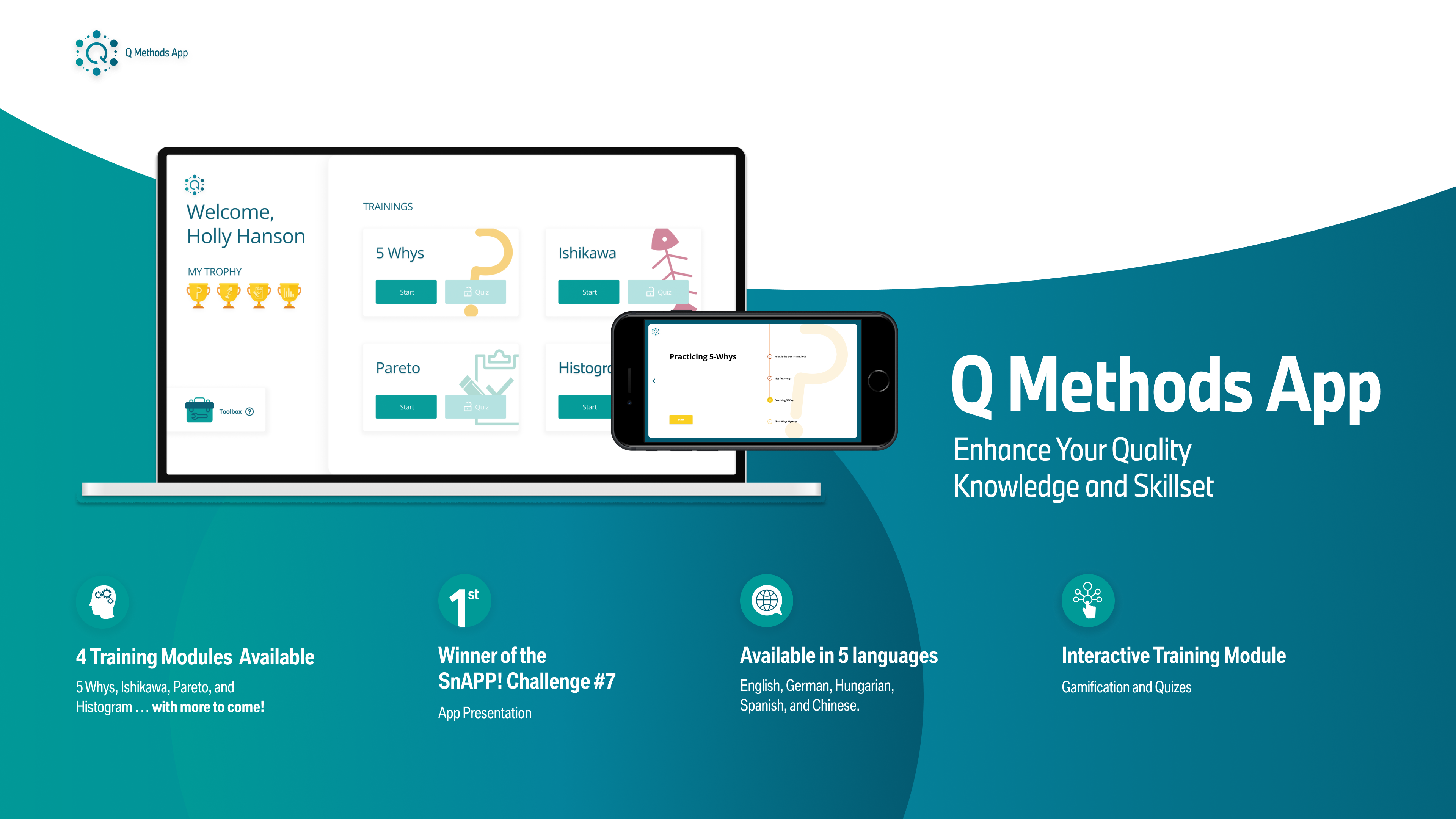
The Q Methods App is a multilingual internal training application (80+ pages) designed to support BMW employees in learning quality management methods.
The Challenge
Despite its rich content, the existing app lacked visual consistency and presented information in a dense, unstructured way which making it difficult for users to absorb and navigate the material effectively.
The Approach
Working closely with the project lead (engineer), the app was rebranded and restructured to create a more cohesive and user-friendly experience.
Design Direction
The renewed design balances playfulness and professionalism, delivering an engaging learning experience without appearing childish—an explicit requirement from the project lead.
Challenges & Design Focus
Bringing Clarity and Consistency to Complex Content
01 Simplify Logo and Build a Design System
Logo Design
I retained the original shape and incorporated the letter ‘Q’ to represent the project’s identity, creating a simple and modern logo for the Q Methods App.
Logo Design
Colour System
Font
02 Standardise Layout, Typography and Icons
Components
Icons
Illustrations & Infographics
03 Improve through Visual Hierarchy
Balanced Visual Hierarchy
The mobile app shows where and how to recycle Canetainers to ensure the consumers have the knowledge and will be more likely to commit.
Clear Seperation for Better Focus
- Improved user focus by clearly separating the profile section from the training list
- Added unique icons to each training to help users quickly identify and differentiate content
Structured Navigation with Progress Feedback
- Introduced chapter overview pages for better context and smoother navigation
- Added a progress bar to each chapter page to visually communicate learning progress
Visually Guided Contents Page
- Added color-changing icons next to each training title to indicate the current selection
- Used the brand’s green background to reinforce identity
- Applied accent colours to distinguish each training and improve visual consistency
Clear and Interactive Quiz Layout
- Included progression text (e.g. "Question 2/5") to inform users of their current position in the quiz
- Applied different colours to each multiple-choice option to enhance visual separation and reduce cognitive load
Q Forum Launch & Internal User Testing
Promotional Posters
Originally created in both English and German.
Reflection
Challenges & How I overcame them
Balancing Consistency and Distinction Across Modules
Challenges
- Maintaining consistency across a large number of screens
- Similar content across modules required clear differentiation
Solution
- Unified shared page structures
- Applied distinct accent colours to support module recognition
What I would do differently
Aligning Design Decisions Earlier with Technical Constraints
- PowerApps scaled text and components differently than Figma
- I would align designs with PowerApps behaviour earlier
- Earlier collaboration with engineers would support a smoother handoff.
What I learned
Aligning Design Decisions Earlier with Technical Constraints
- Designing requires understanding the development environment
- UI/UX is not only visual. Technical constraints matter
- Close collaboration with developers leads to realistic, buildable designs
© 2026 Jezz Hong. All rights reserved.
HOME
ABOUT
In use at BMW | Q Methods App
How Do You Make Quality Training Easier to Learn at Scale?
Redesigning a multilingual training app to make quality learning more consistent, engaging, and user-friendly
Role
UX/UI Designer & Visual Identity Designer
(Collaborate with 4 engineers)
Time Frame
4 months (alongside other projects)
Apr - Jul 2025
Tools
Figma, MS Power Apps & Photoshop
Client
BMW Quality Management Department (Germany, UK, US)
Currently published for desktop version /
Mobile version coming soon
Overview
Redesigning Quality Methods Easier to Learn
Project Background
The Q Methods App is a multilingual internal training application (80+ pages) designed to support BMW employees in learning quality management methods.
The Challenge
Despite its rich content, the existing app lacked visual consistency and presented information in a dense, unstructured way which making it difficult for users to absorb and navigate the material effectively.
The Approach
Working closely with the project lead (engineer), the app was rebranded and restructured to create a more cohesive and user-friendly experience.
Design Direction
The renewed design balances playfulness and professionalism, delivering an engaging learning experience without appearing childish—an explicit requirement from the project lead.
Challenges & Design Focus
Bringing Clarity and Consistency to Complex Content
01 Simplify Logo and Build a Design System
Logo Design
I retained the original shape and incorporated the letter ‘Q’ to represent the project’s identity, creating a simple and modern logo for the Q Methods App.
Logo Design
Colour System
Font
02 Standardise Layout, Typography and Icons
Components
Icons
Illustrations & Infographics
03 Improve through Visual Hierarchy
Balanced Visual Hierarchy
- Reduced the logo size to balance the overall layout
- Enlarged the "Start" button to enhance visibility and encourage user interaction
Clear Seperation for Better Focus
- Improved user focus by clearly separating the profile section from the training list
- Added unique icons to each training to help users quickly identify and differentiate content
Structured Navigation with Progress Feedback
- Introduced chapter overview pages for better context and smoother navigation
- Added a progress bar to each chapter page to visually communicate learning progress
Visually Guided Contents Page
- Added color-changing icons next to each training title to indicate the current selection
- Used the brand’s green background to reinforce identity
- Applied accent colours to distinguish each training and improve visual consistency
Clear and Interactive Quiz Layout
- Included progression text (e.g. "Question 2/5") to inform users of their current position in the quiz
- Applied different colours to each multiple-choice option to enhance visual separation and reduce cognitive load
Q Forum Launch & Internal User Testing
Promotional Posters
Originally created in both English and German.
Reflection
Challenges & How I overcame them
Balancing Consistency and Distinction Across Modules
Challenges
- Maintaining consistency across a large number of screens
- Similar content across modules required clear differentiation
Solution
- Unified shared page structures
- Applied distinct accent colours to support module recognition
What I would do differently
Aligning Design Decisions Earlier with Technical Constraints
- PowerApps scaled text and components differently than Figma
- I would align designs with PowerApps behaviour earlier
- Earlier collaboration with engineers would support a smoother handoff.
What I learned
Aligning Design Decisions Earlier with Technical Constraints
- Designing requires understanding the development environment
- UI/UX is not only visual. Technical constraints matter
- Close collaboration with developers leads to realistic, buildable designs
← Back
Overview
Challenges
& Design Focus
01 Design Focus
02 Design Focus
03 Design Focus
Q Forum Launch
Reflection
© 2026 Jezz Hong. All rights reserved.